Winter OTR, specifically, has become a hallmark of myth within the trucking world. Drivers are heard coming up with tales about the ones who “just know how to handle it” relying on their intuitive feelings, previous experiences, and the number of miles driven with various conditions. Winter trucking is frequently depicted as a battleground for experience where only the adequately trained drivers’ endurance separates them from those who are fighting for their lives. This story is charming but decidedly incorrect, and it often distracts drivers from the preparation tips that actually reduce winter risk.
Cold weather OTR reveals the basic fact: experience does not take away the risk; preparation does. Winter long-haul driving is not a test of bravery or faith. It is a discipline built through anticipation, scheduling, and systems that function before things go bad. At its core, winter OTR is a clear case of experience vs preparation, where structured planning consistently outperforms intuition formed in past conditions. This article will uncover common winter OTR myths and emphasize the reasons why prep work is the priority, offering practical OTR truck driver tips that explain why preparation covers long haul winter driving better than even extensive experience.
The unique feel of winter OTR
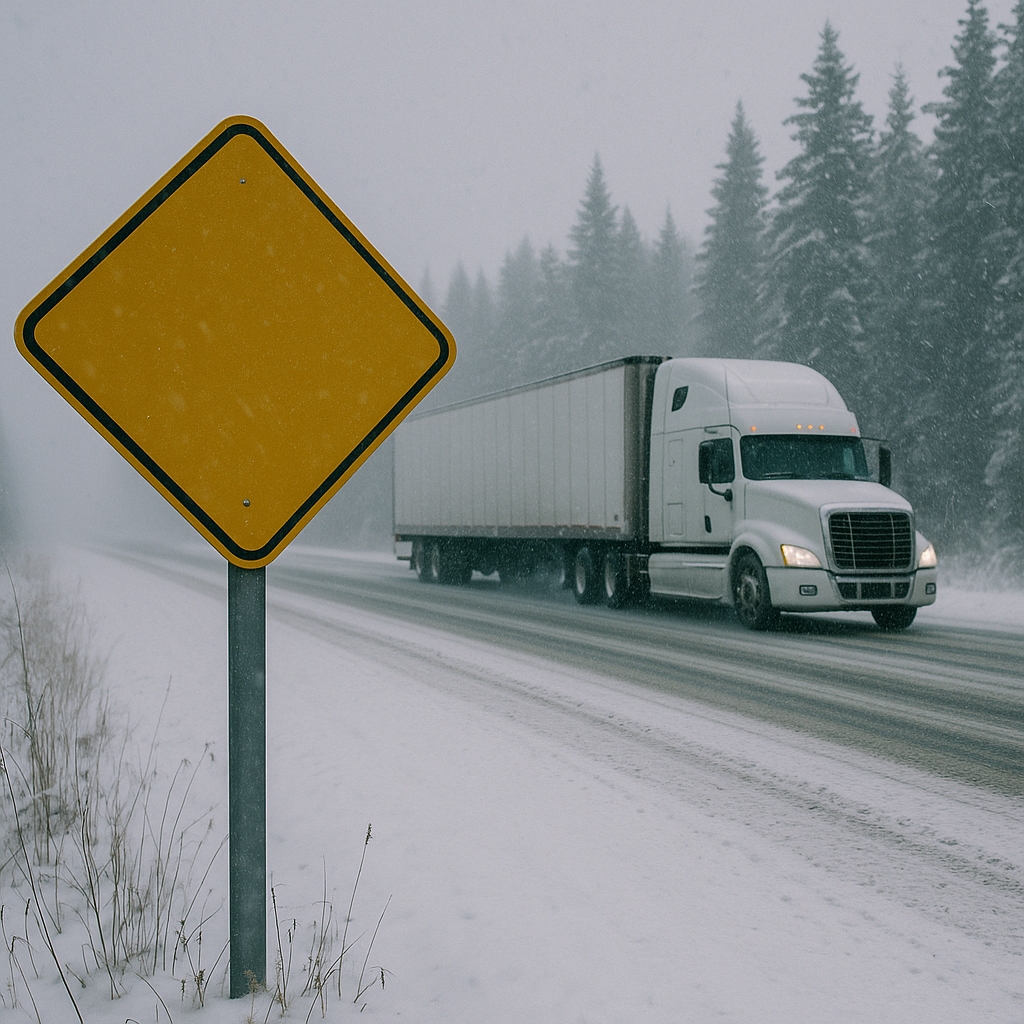
Winter trucking is not just “OTR, but with snow.” It alters the way roads behave, vehicles react, and time to play margins disappears. Cold season driving takes out the element of time and the visual reference that drivers are used to from other seasons, which is why over the road driving in winter demands a fundamentally different operating mindset.
❄️ Winter Driving Tips for Truckers: Stay Safe on Icy Roads!
This shift explains why best winter preparation is not optional but structural. Safe winter trucking is built around anticipating how quickly conditions can change, rather than reacting once traction, visibility, or timing margins are already compromised.
In winter:
- Traction can be lost anytime without a sign
- Braking distances are unpredictable
- Weather conditions can be different from the forecast
- The road can be reliable for a short distance and completely treacherous just a few meters away
These variations result to winter road safety being more about preventive measures than recovery techniques. Experience helps to observe common occurrences, but only proper preparation can determine if they turn into problems.
Myth 1: Winter OTR is about experience only
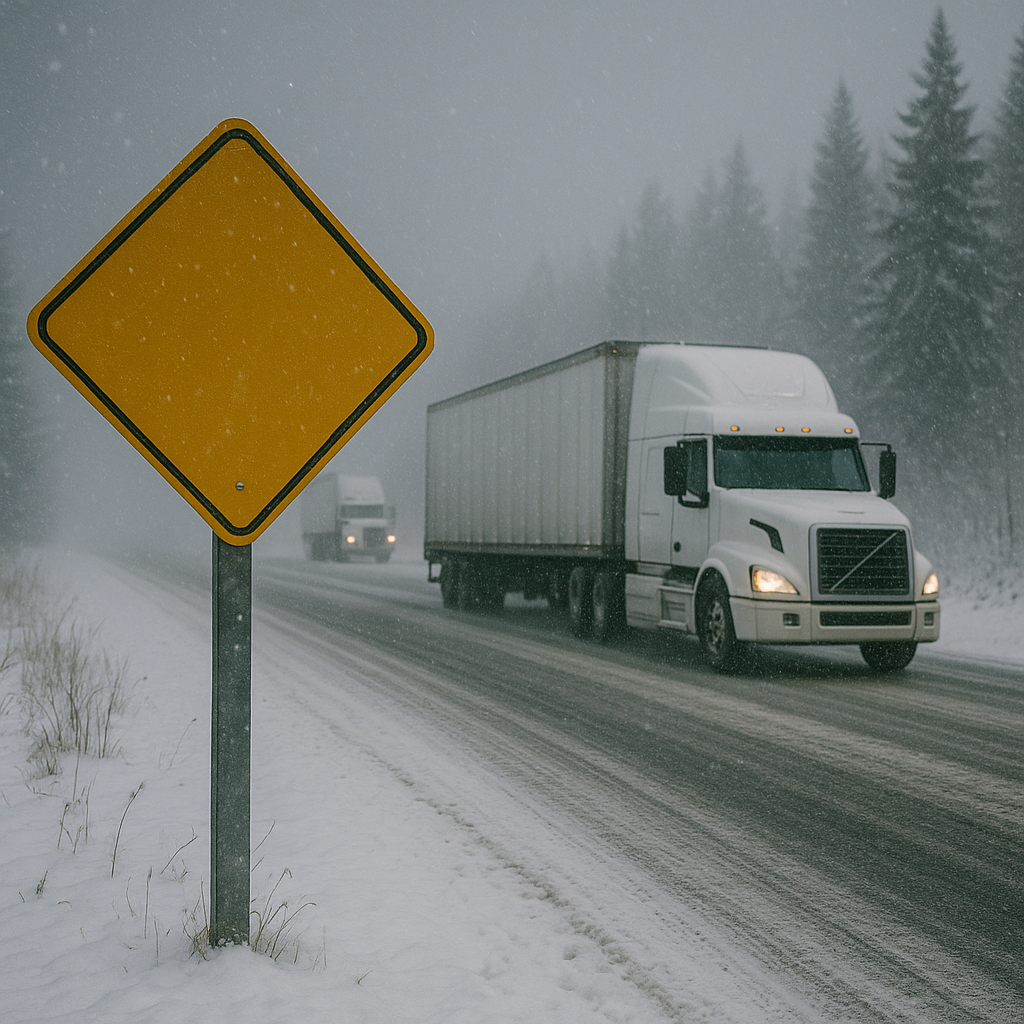
One of the myths that come back from the dead in winter OTR is that the number of miles behind the wheel equals the donning of the ice. Many advanced drivers contend that they have encountered every scenario that is going to come up. Winter trucking has repeatedly shown this is not the case, and this is where proper myth busting becomes necessary.
OTR experience is a reflection on the past. It is not a record of what OTR conditions are today. On the contrary, everything in the range of winter trucking is directed at the future. It is not about the past but rather about the next potentially hazardous conditions. For example, there have been wintertime experiences where drivers were skilled but quite late to the party realizing that they had not read the signs correctly about the fast switch of conditions, undermining the very foundation of safe winter trucking.
This is not about being short of a skill. Memory instead of preparation is the determinant factor. heavy duty preparation and disciplined truck preparation are what convert experience into controlled outcomes, while experience on its own remains an unreliable predictor of safety in winter OTR.
Myth 2: If you drove in winter before then you are ready
Another myth that is also just prevalent is that once a driver has gone through one or two winters they are ready to take on whatever winter throws. However, this theory is not viable since the weather changes throughout the winter season and it is quite unpredictable.
Each winter season is different in the following respects:
- Region
- Elevation
- Road treatment practices
- Traffic density
- Storm movement patterns
Long-haul winter caravanning across different states introduces drivers to different winter patterns in a span of one journey. Preparation has to be reset during each trip, and no experience can override that.
Myth 3: Winter driving is just about less speed
It is true that reducing speed is a vital part but it is not a solution instead, it is a reaction. Safe winter trucking has to go with a driver decision-making that was made before speed becomes a factor. This approach aligns with FMCSA safety guidance, which states that many winter crashes occur when drivers travel too fast for conditions rather than exceeding posted speed limits. https://www.fmcsa.dot.gov/safety/driver-safety/cmv-driving-tips-too-fast-conditions?utm_source
Winter driving preparation comprises of:
- Not only changing speed but changing braking strategy too
- Adding a following distance greater than typical dry-road ones
- Planning exits before entering hazardous segments
- Timing routes to avoid storm escalation
Over-the-road driving in winter carries the fruits of foresight. The drivers who only slow down are already responding too late.
Myth 4: Only knuckleheads like checklists
Data of the winter trucking folklore shows that the preparation checklist is only for newbies, and that the checkout is the part of the job where seasoned operators just rely on intuition. This sentiment rises the risk during cold-weather OTR.
Checklists serve to act as the external brain when stress touches the critical level. They deliver the discipline when fatigue, low temperatures, and poor visibility play havoc with their performance.
Experience vs Preparation in Winter OTR
| Factor | Experience-Based Approach | Preparation-Based Approach |
| Decision-making | Relies on memory and instinct | Relies on predefined planning |
| Response to weather | Reactive | Anticipatory |
| Risk exposure | Variable and unpredictable | Controlled and limited |
| Winter road safety | Dependent on conditions | Built into the process |
| OTR safety | Experience-driven | System-driven |
Preparation is not experience but is the stabilizer of it.
Myth 5: Training ends after orientation
An additional winter OTR myth is that truck driver training is over when a driver goes solo on a route. In actual fact, winter trucking demands life-long learning.
Cold weather driving introduces scenarios that cannot be seen during training:
- Black ice shows no visual cues
- Rapid refreezing after daylight hours
- Low temperatures cause mechanical stress
- Chain law enforcement differences
Drivers who consider winter driving as ongoing training are the fast adapters, hence they decide safely. Preparation is a continuing practice; it is not a one-time event.
Myth 6: If the truck runs, the road is manageable
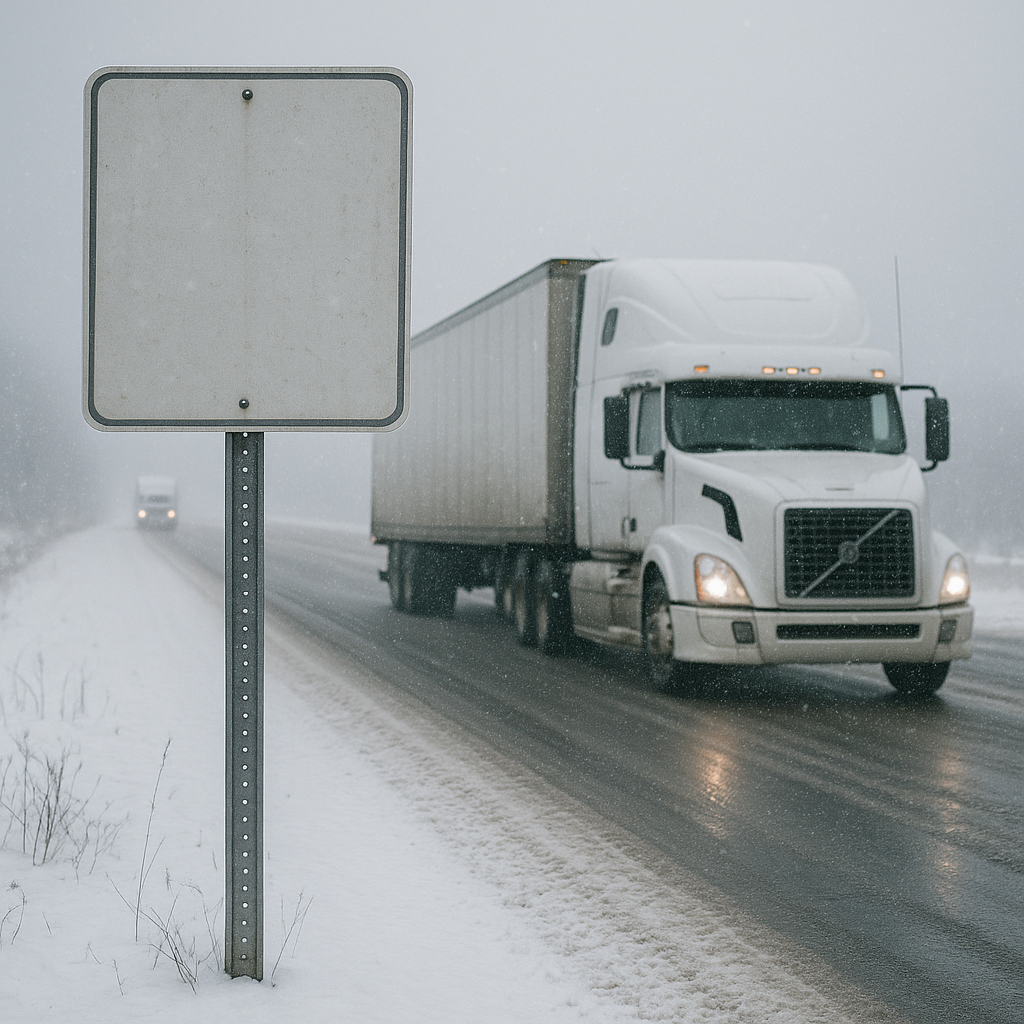
A truck that runs well does not necessarily mean that the weather is safe. Many incidents in the winter happen in perfectly working trucks that are, however, in the unsafe environment.
Truck prep lists include:
- Tires appropriate for cold weather
- Proper air system moisture control
- Cold-weather fuel treatment
- Functional brakes under low temperatures
But, probably, the only thing mechanical readiness must coincide with is route planning and weather timing. Winter OTR’s safety takes the tumble when drivers tend to believe that equipment on its own can combat the conditions.
Myth 7: Winter OTR means pushing through
The most damaging misbelief of the winter trucking world is perhaps that endurance equals skill. This well thought out idea creates the pressure to drive a vehicle is to continue even when the situation goes downhill.
Safe winter trucking requires:
- The courage to shut it down
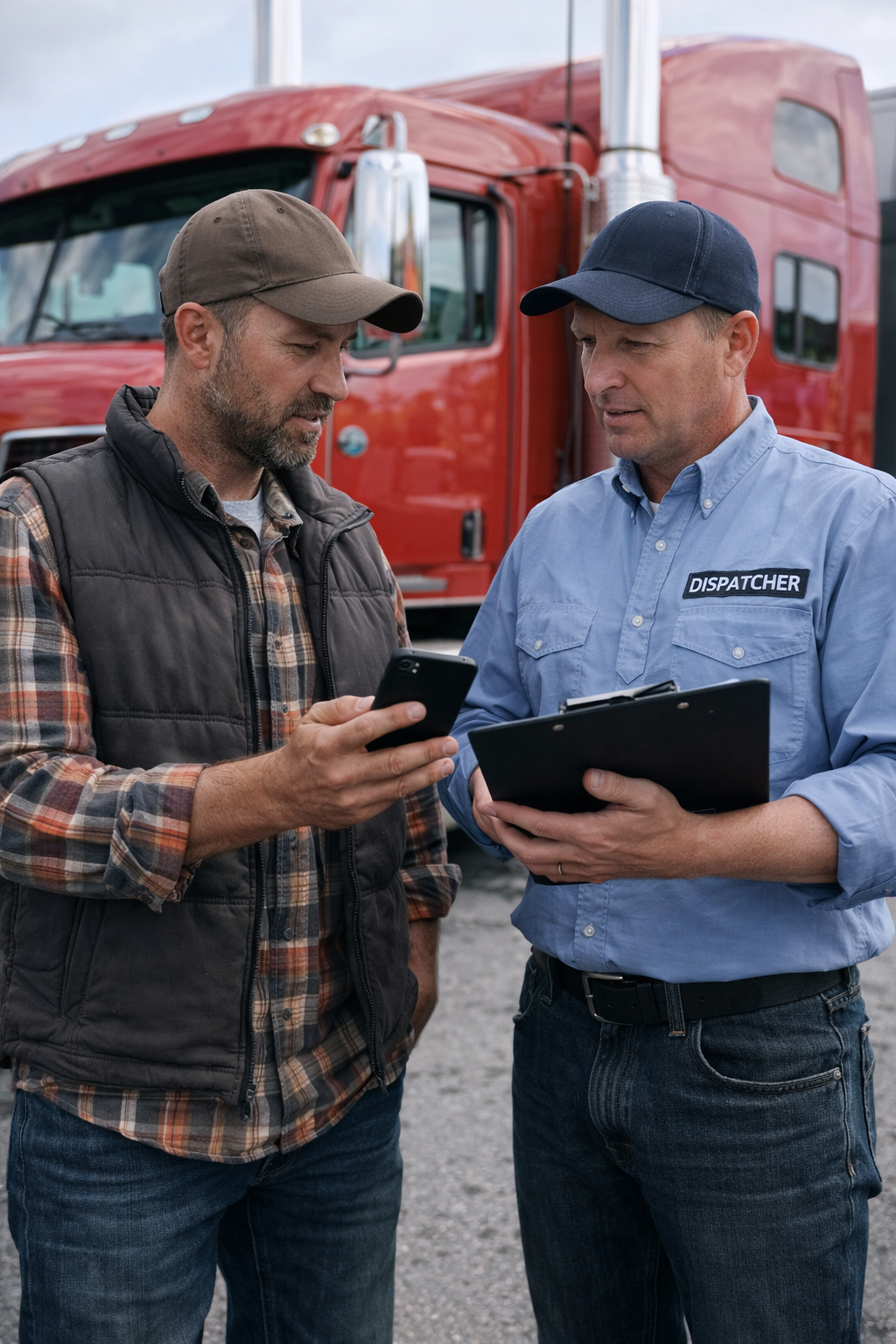
- Keeping dispatch in the loop
- Safety over schedule
Preparation is what enables drivers to stop anytime without thinking twice. With experience alone, the common wisdom goes “just get through it”.
What distinctively gives preparation the upper hand?
Experience is fixed; Preparation is flexible.
Winter conditions are constantly doing the flip. Weather patterns in everywhere are Haywire. Experience might be the anchor, but preparation is the sail.
The best mode of preparing for winter is being proactive:
- Building redundant safety margins
- Routing in a way that no snowdrifts can block paths
- Monitoring the weather condition the entire trip
- Not relying overly much on the recovery powers
OTR expertise can be acknowledged as true only when it is moderated by preparation.
Winter OTR initial practical tips
Preparation for cold weather driving is no haphazard venture but an orderly arrangement. It endeavors to alleviate the dangers that come with treacherous weather beforehand.
Preparation tips are:
- Check the weather before departing cold weather OTR routes
- Track the storm as it moves, instead of just looking at forecasts
- Alter the trip schedule to avoid peak weather windows
- Preemptively increase stopping distances
- Do thorough truck prep before each winter leg
Such action are instrumental to maintaining the road safety in variable winter conditions.
Heavy-duty preparation is paramount
The unpredictability of fate stinging equipment in winter trucking. Heavy-duty preparation widens the fault tree to a cascade of failures.
It consists of:
- Brake system readiness
- Tire inspection under load
- Battery performance in cold temperatures
- Visibility systems (lights, defrosting)
Truck preparation is not for perfection; it is for predictability under stress.
Winter OTR is a discipline for planning
Winter OTR should not be viewed as a test of spirit but rather as a plan of discipline. Debunking myths diverts attention from the glory of the individual and puts it on the system.
Common Winter OTR Myths vs Reality
| Winter OTR Myth | Reality |
| Experience guarantees safety | Preparation manages risk |
| Slowing down is enough | Planning prevents emergencies |
| Checklists are optional | Checklists reduce cognitive overload |
| Equipment solves winter risks | Conditions dictate safety |
| Pushing through is expected | Shutdowns improve OTR safety |
Drivers start to view the risks shoulder to shoulder when neither toughness nor the measure of preparedness is the defining characteristic for the roads.
Cold weather OTR and decision fatigue
Decision fatigue is higher in winter driving. The cold, the dark, and the lack of visibility use the mental resources faster than in any other seasons.
Preparation is the antidote against fatigue by:
- Decreasing the real-time decision
- Creating the default responses
- Setting the shut down rules
OTR safety improves when the driver’s own free will is left out of the equation.
Final thoughts on winter OTR myths
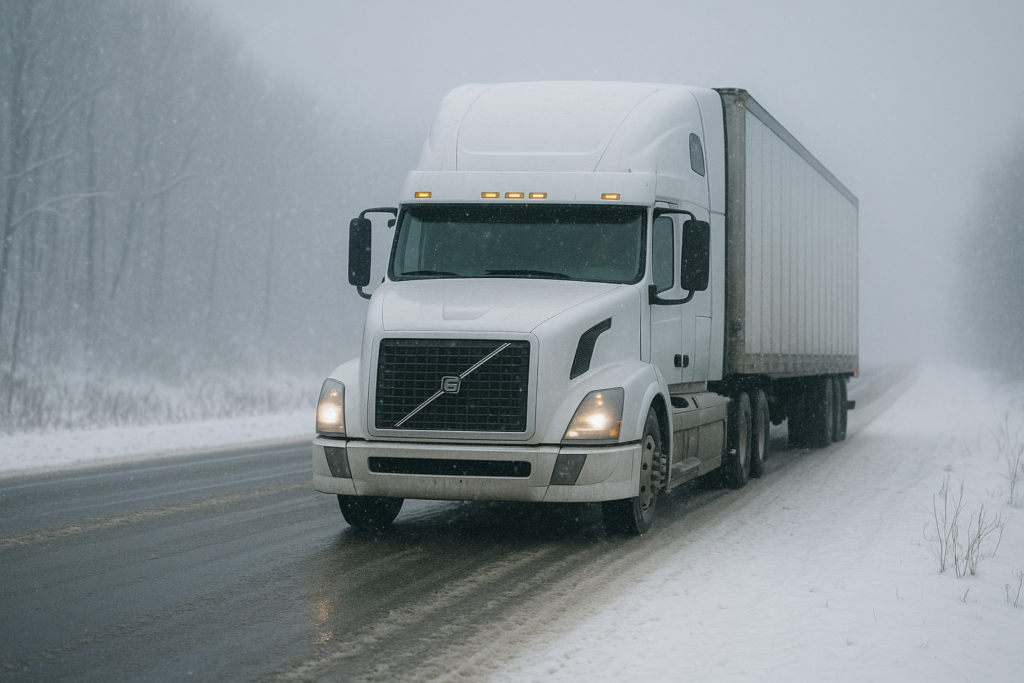
Winter trucking shows that gaps in experience come out to play when there is a lack of preparation. Winter long haul driving suits those drivers who are good at planning, respect the weather and stick to their guns.
Winter OTR is not bravery but rather esoteric foresight. The drivers with the least accidents are, in effect, not the ones with experience driving in the most winters but they are the ones that have a clearly established pattern of good beginner drivers.
Thus, in cold weather OTR, not only is preparation mandatory but rather it serves as the bedrock of safe and sustainable over-the-road driving.
The winter OTR gets ready during the season: further arguments
Practically useful tips for mental and physical preparation of OTR drivers for winter operations are mostly shunned in general discussions/blogs these days, which goes against the common expectation as preparation is the main factor, besides driving experience, in achieving real results in this area.
Under normal circumstances, learning by experience is the gold standard to prepare for driving in cold weather OTR, but the rapidly changing conditions defeat the habitual responses which are built from the previous OTR experience.
The systematic winter driving preparation i.e., the steps taken by OTR truck drivers well before they go through the most difficult freeway winter driving sections cuts uncertainty for the drivers.
Most persistent winter trucking myths will be resolved if difference between the two things, which is young driver must understand, are pre-structured preparation and overconfidence through repetition which are the main reason for it.
Most articles with good tips for OTR truck drivers driving on the road in winter include the points of anticipation, spacing, and the decision of whether to shut down in a disciplined way before reactionary recoveries.
The best preparation for winter is not to act reactively but instead to think ahead about the truck, prepare the truck and make decisions based on the clearly defined decision thresholds that will help OTR safety.
Practice of safe winter driving trucking functions equally well on the system that turns support forthcoming when driver fatigue increases and visibility decreases due to cold weather.
Maintenance of truck order through pre-planning is the most effective tool to handle the driving situations that may arise during the winter period.
Proper tall truck beater prep keeps the performance of your trucks on par even when the weather tries to pull one over on you, thus ensuring continuous safe OTR driving.
While regular truck maintenance cannot reduce the crash risks to zero, it can reduce the risks to an acceptable level throughout the winter road trip.
A valid myth in winter OTR tells no action hero story but a well-ordered project plan that puts a stop to problems rather than simply enduring them.